September 15, 2026
Reviewed & Published by:
Jonathan Johns
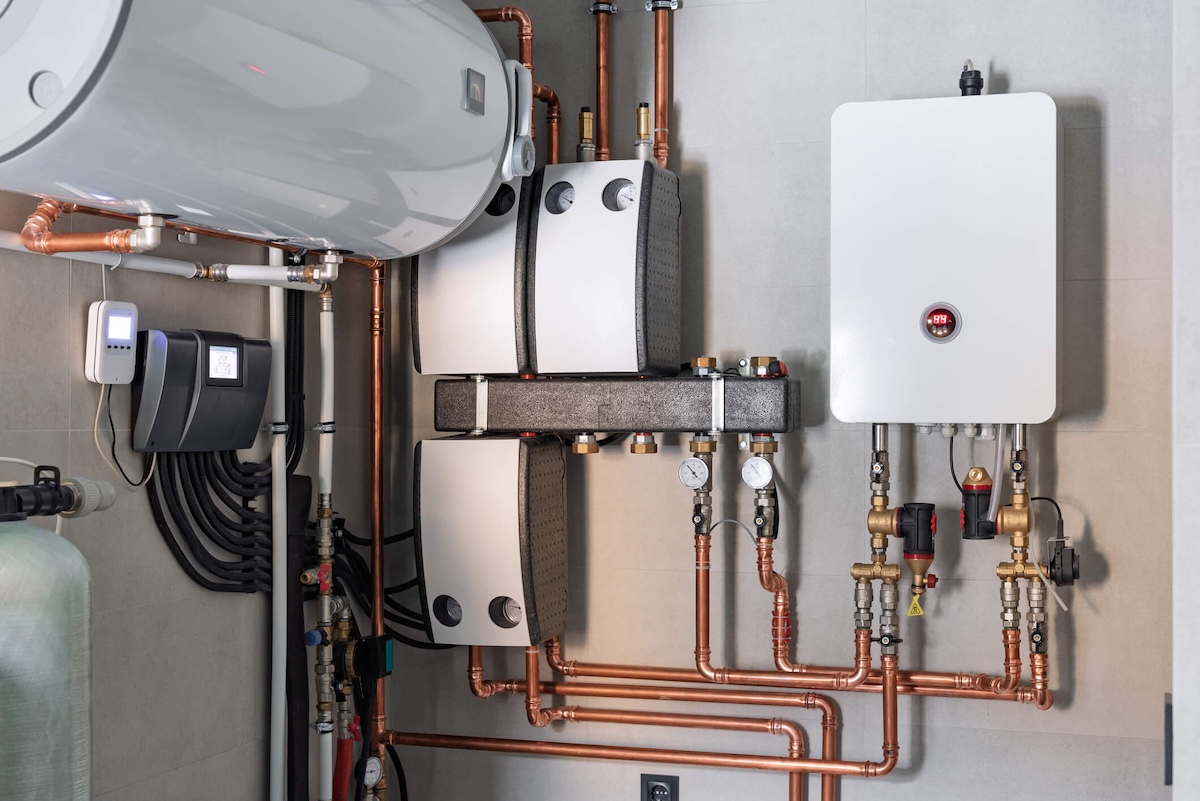
A long pipe run can dump gallons of cooled water down the drain every week before hot water reaches a single shower. In many Mooresville, NC homes, that daily delay is the main reason homeowners start looking at a hot water recirculating system paired with a tankless water heater.
Many homes around Lake Norman, Davidson, Cornelius, and nearby Mooresville neighborhoods have larger floor plans with bathrooms and kitchens far from the mechanical room. That distance creates a familiar problem: you turn on a faucet or shower and wait while cold water clears the line.
A recirculation setup solves that comfort issue by keeping hot water closer to the fixture. The result is faster delivery, less water waste, and a smoother routine during busy mornings.
For homeowners comparing the benefits of a tankless water heater with traditional tank water heaters, recirculation often becomes the missing piece. Tankless systems heat on demand, but they do not erase the time it takes hot water to travel through the plumbing.
A hot water recirculation system moves unused hot water back through a plumbing loop or keeps it near the points of use. It does not create endless flow at every tap, but it does shorten the cold-water purge.
That matters in homes where the kitchen sink is on one side of the house and the primary suite is upstairs on the other. Instead of waiting through a long delay, you get near-instant hot water at many fixtures.
Tankless recirculation systems usually make the biggest difference in homes with long pipe runs, multiple bathrooms, or remote fixtures. They are also useful for families with heavy morning and evening hot water use.
If several people are using a shower, tub, or faucet back to back, reliable hot water matters more. In those homes, recirculation often feels less like a luxury and more like a daily convenience upgrade.
A tankless water heater only fires when flow or demand tells it to heat water. A recirculation pump, return line, and control settings work together to move water through the system so hot water reaches fixtures faster.
Some units are built to support recirculation directly. Others need added components such as external recirculation pumps, a bridge valve, or a crossover valve.
Proper compatibility matters because not every pump works with every tankless model. A licensed plumber should confirm the tankless water heater, plumbing loop, and controls are matched correctly before installation.
A dedicated return line sends unused hot water back to the heater instead of letting it sit and cool in the pipe. This is the cleanest layout because it creates a true loop between the far fixture and the water heater.
It is often the most efficient option when the home was plumbed for it during construction or when walls are already open during a remodel. In those cases, the return line can deliver strong comfort with good energy efficiency.
A retrofit system is designed for homes without a dedicated return line. It uses a bridge valve or crossover valve at a fixture to move cooled water from the hot side into the cold line until hot water arrives.
This approach can reduce labor complexity in existing Mooresville homes. It is often a practical way to add a hot water recirculating system without major wall or slab work.
The best choice depends on plumbing layout, control style, and tankless model compatibility. Some homes need the performance of a dedicated loop, while others benefit from a simpler retrofit system.
Here is a simple comparison focused on real tradeoffs.
This setup offers the most consistent hot water delivery. It is usually the best fit for new construction, major renovations, or homes already equipped with a return line.
Products such as the Rinnai HEPumpKitMC may fit certain compatible systems, while some homes use a standalone recirculation pump. Quiet operation and stable performance are common goals with this design.
A retrofit pump with a bridge valve is often the more accessible option for existing homes. It avoids the cost and disruption of adding a full dedicated return line.
Homeowners often choose this route when they want noticeable convenience gains without opening walls. Products like the Grundfos 99452459 or the Watts Hot Water Recirculating System with Built-In Timer are common examples in this category.
Controls matter almost as much as the pump itself. A built-in timer, 24 hour timer, programmable timer, aquastat, or smart controls can reduce unnecessary run time.
That balance helps protect energy and cost savings. Instead of circulating water all day, the system can run when your household actually needs it.
Recirculation improves comfort, but it is not the right fit for every house. The smartest approach is to weigh the pros and cons against your home layout, family needs, and budget.
You should also keep expectations realistic. These systems deliver faster hot water, not perfect instant hot water at every single fixture in every plumbing layout.
Benefits
Potential Drawbacks
Want to learn more about your options? Give us a call to chat with a friendly guide.
.svg)
.webp)
Pricing depends on system type, access, controls, and the distance between the heater and fixtures. Retrofit options usually cost less than adding a new dedicated return line.
In general, product cost may range from a few hundred dollars for simpler recirculation pumps and valves to more for premium controls or model-specific kits. Installation cost can vary widely based on labor complexity and home access.
A homeowner in Mooresville or Charlotte comparing tankless water heater vs. traditional tank water heaters should also look at operating habits, not just sticker price. For a closer look at local pricing, see this breakdown of how tankless and storage water heater costs compare in Mooresville.
What Affects Price
Homes with long waits at several taps usually see the clearest benefit. Busy families also tend to value the convenience more than households with short pipe runs and light use.
If you already plan to invest in a professionally installed tankless system for your home, adding recirculation may be easier to plan from the start. In many cases, the daily comfort improvement is what makes the upgrade feel worthwhile.
Start with the plumbing layout. If your home has a dedicated return line, that usually opens the door to a cleaner and more efficient setup.
Next, think about usage patterns. If you want always-ready hot water, what to look for in a system may point toward more advanced controls, while budget-conscious homeowners may prefer scheduled operation.
Check compatibility before buying any pump or valve package. A licensed plumber should confirm that the tankless unit can support the chosen setup without hurting performance or manufacturer requirements.
Questions to Ask Before Buying
Larger homes in Mooresville, Concord, Davidson, Cornelius, and the Lake Norman area often benefit more from recirculation. Multi-story homes with primary suites far from the heater are strong candidates.
Compact homes may need less elaborate solutions or none at all. In some cases, a short pipe run makes recirculation unnecessary.
Tankless recirculation systems are not one-size-fits-all add-ons, and getting it wrong creates more problems than it solves. A licensed plumber can confirm compatibility with your specific tankless model, make sure everything meets manufacturer specs, and protect your warranty in the process.
Jonathan Johns at Macaw Plumbing & Tankless has maintained more than 300 tankless systems across the Mooresville and Lake Norman area.
That kind of hands-on local experience matters when you're matching a recirculation setup to an existing system — because the right answer is almost always specific to your house, not just the product.
If your system already needs service, it also helps to work with a team that handles ongoing care for tankless units and routine maintenance. Water quality can affect long-term performance too, so some homeowners also pair upgrades with whole-home water treatment options.
Homes in Mooresville are not identical to homes in downtown Charlotte or older neighborhoods in Concord. Local plumbers understand the common layouts, fixture spacing, and water-use patterns found across this service area.
That local knowledge leads to recommendations that actually fit your home. It can also help you decide whether recirculation, standard tankless installation, or even a conventional storage water heater makes more sense for your situation.
Can You Put a Recirculating System on a Tankless Water Heater?
Yes, many tankless units can work with a recirculating system. The right setup depends on model compatibility, plumbing layout, and whether the home uses a dedicated return line or a retrofit bridge valve.
Is a Recirculating Tankless Water Heater Worth It?
It often is if you have long waits for hot water, long pipe runs, or a strong goal of reducing water waste. The value is usually highest in larger homes and busy households.
How Much Does It Cost to Install a Recirculation Pump on a Tankless Water Heater?
Cost varies based on the pump, controls, plumbing access, and whether the home already has a return line. Retrofit systems usually cost less than adding a full loop.
Why Do Plumbers Not Recommend Tankless Water Heaters?
Most plumbers do recommend them when the application is right. The usual concerns involve higher upfront cost, sizing mistakes, maintenance needs, or choosing a system that does not match the home's demand.
A hot water recirculating system makes the most sense for Mooresville homeowners with long pipe runs, larger floor plans, and frequent hot water use. The biggest winners are often families who are tired of waiting at upstairs bathrooms, kitchen sinks, and distant showers.
The best next step is to compare dedicated return line and retrofit options based on your layout and budget. If you're not sure which setup fits your home, we're happy to take a look. At Macaw Plumbing & Tankless, we give you a straight answer — no pressure, no upsell. Just an honest recommendation from a team that knows these systems and genuinely cares about getting it right for your family.
Reach us at (704) 798-2659 or send a project request here.

Jonathan Johns is the owner and lead plumber at Macaw Plumbing & Tankless, a family-owned plumbing company serving Salisbury, Mooresville, China Grove, and surrounding communities across Cabarrus, Rowan, and Iredell Counties. He holds NC State License #L.35944 (North Carolina P1 Unlimited Plumbers License) with Well Seal Certification and is a certified Navien Service Specialist.
.webp)
Licensed, family-owned plumbing experts providing honest, reliable service—from water heaters to emergency repairs—across China Grove, Salisbury, Mooresville, Lake Norman, and surrounding North Carolina communities.
Hours:
Monday – Friday (8am – 10pm)
Saturday (emergency plumbing)

.svg)

.svg)

.svg)
